

Why Travel Efficiency Matters More Than Ever in Major Cities
Travel efficiency has become increasingly important in major cities, where congestion, time constraints, and complex transport networks can significantly impact daily movement. Whether commuting, relocating, or managing extended stays, individuals now prioritize faster, more reliable, and better coordinated travel solutions to reduce delays and improve overall convenience. Efficient planning helps travelers navigate busy urban environments while minimizing stress and unnecessary costs associated with inefficient routes or poorly timed transport. This article explores why travel efficiency matters more than ever in major cities and how it influences modern urban living and mobility decisions.
Urban Congestion and Time Pressure
One of the biggest challenges in major cities is traffic congestion, which is why moving to Ealing can be such a hassle. As more vehicles occupy limited road space, travel times become less predictable, and delays become more frequent. This creates significant time pressure for commuters who must navigate busy schedules, work commitments, and personal responsibilities. Inefficient travel not only reduces productivity but also harms mental well-being through constant stress and uncertainty. Efficient transportation systems, including well-planned public transit networks and optimized traffic flow, help reduce congestion and ensure people reach their destinations on time.
Economic Impact of Efficient Mobility
Travel efficiency plays a major role in the economic performance of major cities. When transportation systems function smoothly, workers can arrive on time, businesses can operate more effectively, and goods and services can be delivered without delay. Inefficient travel, on the other hand, leads to lost working hours, increased fuel consumption, and higher operational costs for businesses. Cities that prioritize efficient mobility tend to attract more investment and talent because they offer a more productive and accessible environment. As a result, transportation efficiency is closely linked to overall economic growth and competitiveness.
Role of Public Transportation Systems

Public transportation is one of the most important factors in improving travel efficiency in urban areas. Subways, buses, trams, and commuter trains help reduce the number of private vehicles on the road, easing congestion and lowering travel times. Well-designed transit systems provide reliable, affordable alternatives to driving, making it easier for people to move around the city. When public transport is efficient and well-connected, it reduces dependency on cars and improves the overall flow of urban mobility. Cities that invest in robust public transit infrastructure tend to experience smoother, more sustainable transportation networks.
Technology and Smart City Solutions
Modern technology is transforming how cities manage travel efficiency. Smart traffic management systems, real-time navigation apps, and data-driven transportation planning help optimize movement across urban areas. These technologies allow authorities to monitor congestion, adjust traffic signals, and provide commuters with real-time updates. Ride-sharing platforms and mobility apps also contribute to more efficient travel by offering flexible transportation options. As cities continue to adopt smart solutions, travel becomes more predictable, efficient, and responsive to changing conditions.
Environmental Benefits of Efficient Travel
Improving travel efficiency also has significant environmental benefits. Reduced congestion leads to lower fuel consumption and decreased greenhouse gas emissions. Public transportation, cycling infrastructure, and shared mobility solutions all contribute to more sustainable urban environments. Efficient travel systems help cities reduce their carbon footprint while improving air quality and overall livability. As environmental concerns continue to grow, efficient transportation is becoming an essential part of sustainable urban development strategies.
Travel efficiency is more important than ever in major cities because it directly affects time management, …

 Once you’ve caught your breath, it’s time to play tourist in your own town. The River Thames runs through Richmond like a calm heartbeat. Walking along its banks feels like therapy after the chaos of moving boxes and furniture. You’ll see joggers, families, and dogs living their best lives. It’s a reminder that life moves at a more relaxed pace here. Pack a sandwich or grab coffee from a local café, then sit by the water. Watch the boats drift by. You might even spot rowers slicing through the water at dawn. It’s a small, quiet luxury that helps you remember why moving here was worth the effort.

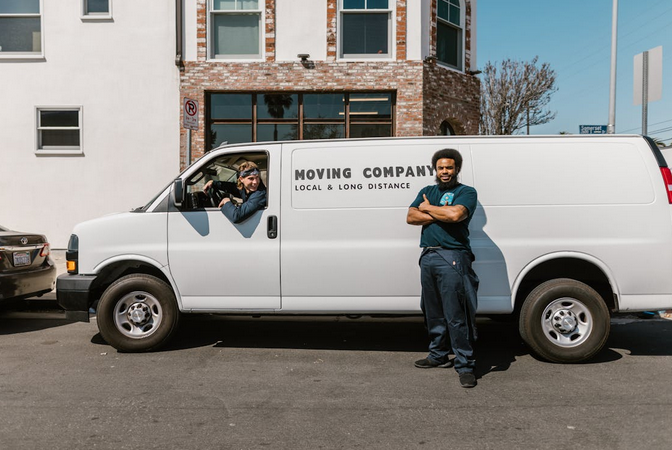
 Some think more space equals better service. Truth? Oversized moving services can cost more than your flight ticket. And for folks moving between rentals, flats, or coworking hubs, that’s money you could’ve spent on a weekend in Barcelona. Man and Van gives you enough room to shift your essentials, no fluff. There won’t be any awkward conversations with movers who clearly think you should’ve packed more. Or less, if you prefer.
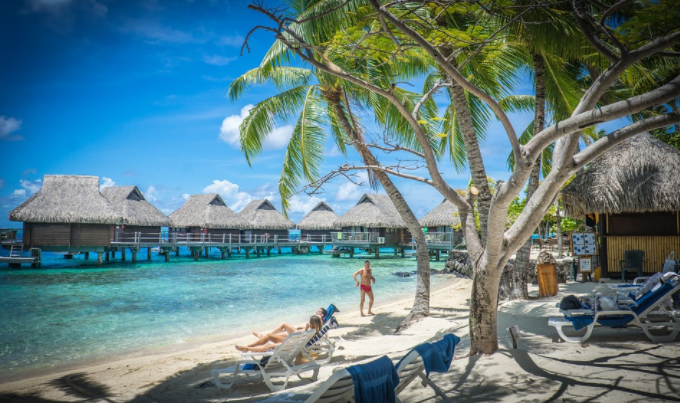 One of the most popular summer destinations in Bora Bora. This French Polynesian island is known for its stunning beaches, crystal-clear waters, and luxurious resorts. If you’re looking for a place to relax and rejuvenate, Bora Bora is the perfect spot.
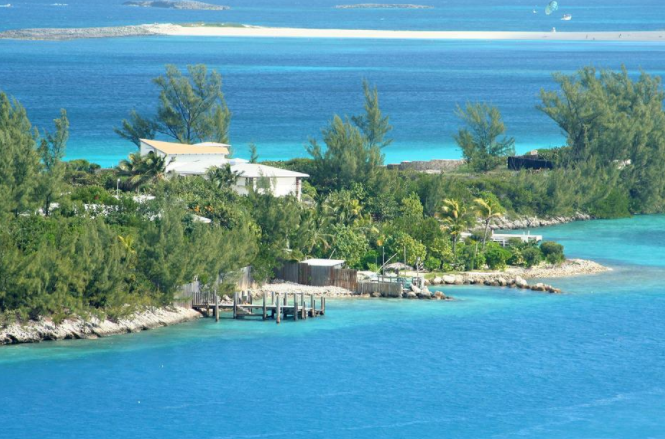 The Bahamas is a great place to visit if you’re looking for some fun in the sun. With its clear blue waters and sandy beaches, it’s no wonder this island chain is such a popular tourist destination. And, with an average temperature of 27 degrees Celsius (81 degrees Fahrenheit), it’s the perfect spot to escape the cold winter months.
 Another mistake people often make is packing too much. It can be a burden to carry around and take up valuable space in your luggage. Not to mention, you’ll likely end up not using most of the things you packed.

 You’ll need someplace to move when dusk falls. If you don’t want to sleep beneath the stars, a tent is necessary. It needs to be uncomplicated to set up and take down. And there is no one-size-fits-all tent — you’ll have to think about the number of sleepers and if it is a three-season or even four-season tent.
 It would be best if you didn’t miss packing a little survival kit. It should include the essential items you would have to endure, like a camping knife, compass, phone, and medical apparel. It is possible to find survival kits in shops, or you could make your bespoke survival kit. Each camping party requires this one for cooking, preparing, and serving meals. A standard jumble kit may comprise two flatware types, a few pots, pans and a few cups and plates.
 If you have been living in the big city for many years now because of work or marriage, maybe it’s about time to travel back to your hometown once again. Your hometown may have changed during all those years that you have not gone back to visit. But for sure, some of your family and old friends are still there to welcome you.
 Travel Like a Gypsy
 The customer base concerns impact the trends in the industry. The market has a new generation whose ideals are influenced by an organization’s corporate responsibility on the environment. For example, eco-travel is a significant concern where travelers buying decisions are influenced by ethical and sustainable tourism options. Therefore, as a business, you strategize to offer environment-friendly tourism service to match the changing needs.
 a plane or a train. Usually, make continuous visits to the bathroom, which might not help much because they are tired of sitting for long hours. Unlike the bus where the driver takes longer and shorter breaks so that the passengers can stretch their legs or buy something to eat. Furthermore, passengers can use the restrooms at the gas stations, unlike in the plane where you have to squeeze yourself in a tiny washroom.