
Transportation logistics play a crucial role for long-stay travelers, as extended trips require more planning, coordination, and flexibility than short visits. Reliable logistics also reduce stress by minimizing delays and providing structured support when moving between locations or handling larger volumes of items. Services such as Canary Wharf vans can assist long-stay travelers by providing practical transport options that make it easier to move belongings safely and efficiently in busy urban environments. This article explores why transportation logistics matter for long-stay travelers and how they contribute to a more organized and comfortable extended stay experience.
Impact on Daily Mobility and Convenience
For long-stay travelers, transportation is a daily necessity rather than an occasional requirement. Access to reliable transport determines how easily individuals can reach workspaces, grocery stores, healthcare facilities, and leisure activities. In cities with efficient public transport systems, travelers may rely on trains, buses, or trams, while in less connected areas, private transport or ride services become essential. Poor planning can lead to delays, limited mobility, and unnecessary stress. By understanding available options in advance, travelers can choose accommodation and locations that align with their transportation needs, ensuring smoother daily movement.
Cost Management and Budget Efficiency
Transportation expenses can significantly affect the overall cost of long-term travel. Frequent use of taxis or ride-sharing services can quickly become expensive, especially in large cities. On the other hand, investing in monthly transit passes, bicycle rentals, or car leasing can be more cost-effective. Long-stay travelers who plan their transportation logistics carefully are better able to control their budgets and avoid unexpected expenses. Comparing different transport methods before arrival allows travelers to choose the most economical and practical options for their stay.
Time Management and Productivity
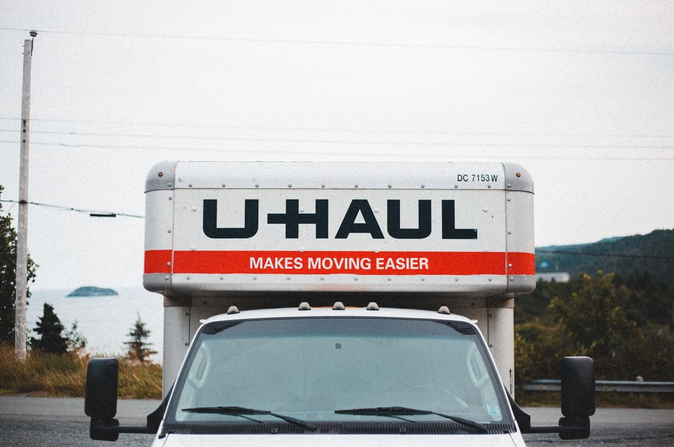
Efficient transportation systems play a key role in managing time effectively. Long-stay travelers often balance work, exploration, and personal activities, making time management essential. Poorly planned transport routes or unreliable services can lead to wasted time and reduced productivity. Choosing accommodation near transport hubs or major routes can significantly improve daily efficiency. Understanding peak travel hours and alternative routes also helps avoid delays. When transportation is well organized, travelers can focus more on their activities and less on navigating logistical challenges.
Accessibility and Location Planning
Transportation logistics often influence where long-stay travelers choose to live. Proximity to public transport, airports, and major roads can determine how convenient a location is for daily life. Areas with strong transport infrastructure tend to offer better accessibility to essential services and attractions. Before committing to long-term accommodation, travelers often evaluate transportation options to ensure the location supports their lifestyle needs. This planning helps avoid isolation and ensures smoother integration into the local environment.
Flexibility and Travel Experience
Good transportation planning also enhances flexibility during long stays. Travelers who understand local transport systems can explore new areas more easily and adapt to changing plans without difficulty. Whether it involves weekend trips, business travel, or spontaneous outings, reliable transport options make it easier to move around without disruption. This flexibility contributes to a more enjoyable and fulfilling travel experience, allowing individuals to make the most of their time in a new destination.
Transportation logistics are a crucial factor for long-stay travelers because they directly influence convenience, cost, time management, and overall quality of life. Careful planning ensures access to reliable mobility options, better budget control, and greater flexibility throughout the stay. By prioritizing transportation alongside accommodation and lifestyle choices, long-stay travelers can create a more efficient and enjoyable experience in any destination.